Holly:
at a glance
Striving for a brighter future through the pursuit of conservation.
Included
Getting to Know Me
Written Work
Adobe Creations
Photography
Social Media
About Me
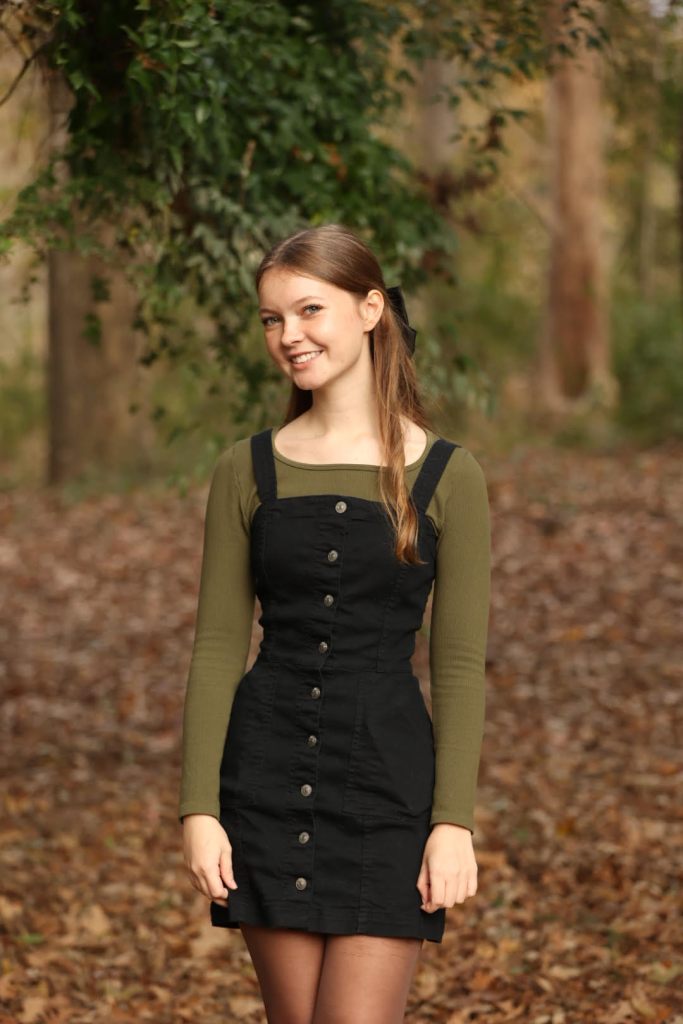
My dream is to protect the beauty of the natural world by working in conservation. I have interned with Sandhills Research and Education Center in Columbia, SC where I learned about agricultural practices and aided in conducting research. I also have experience working for Congaree Land Trust, where I learned about conservation easements and non-profit organizations. I am aiming to combine my love of photography with my passion for land conservation.
Written Work
Cypress In Spring
As the days continue to grow warmer, bald cypress trees begin to bud and bloom – their leaves creating a canopy habitat for many species of wildlife, including birds such as herons and ducks. Cypresses are deciduous conifers, shedding their needles in the fall and growing new ones in the spring, an unusual characteristic for coniferous species, which typically retain their foliage year-round. These versatile trees are essential to the well-being of the Midlands, as they provide flood control, water quality protection, and wildlife habitat. Cypress trees can be found throughout our region, with some of the most impressive found within the COWASEE Basin.
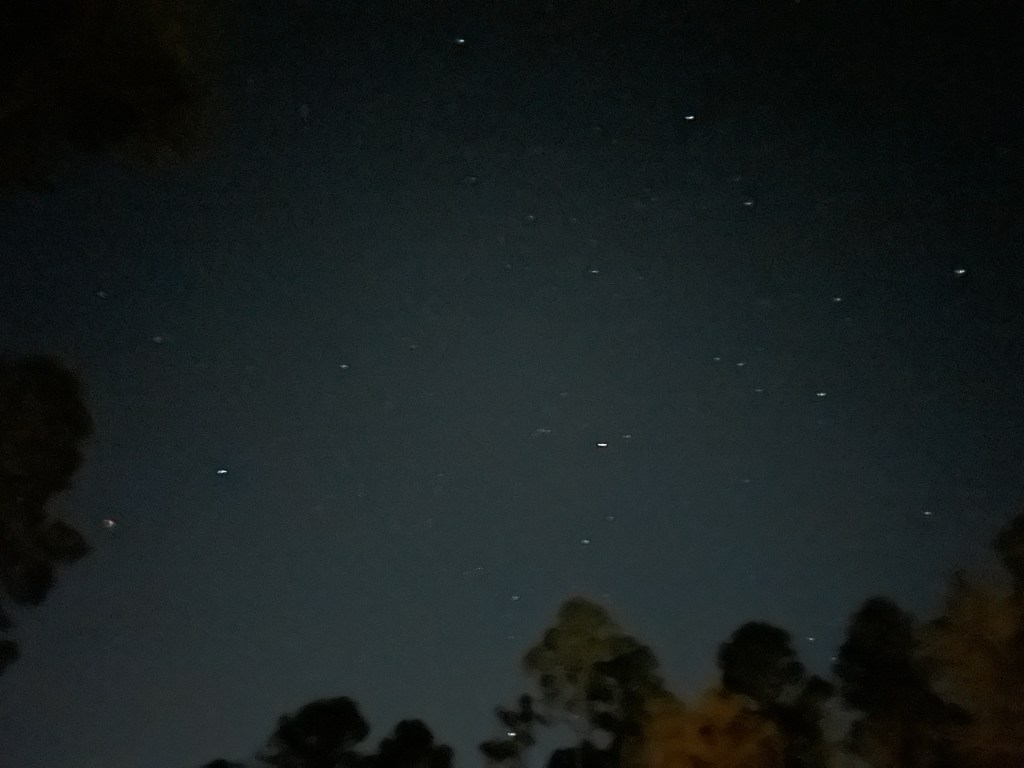
Night Life in the COWASEE Basin
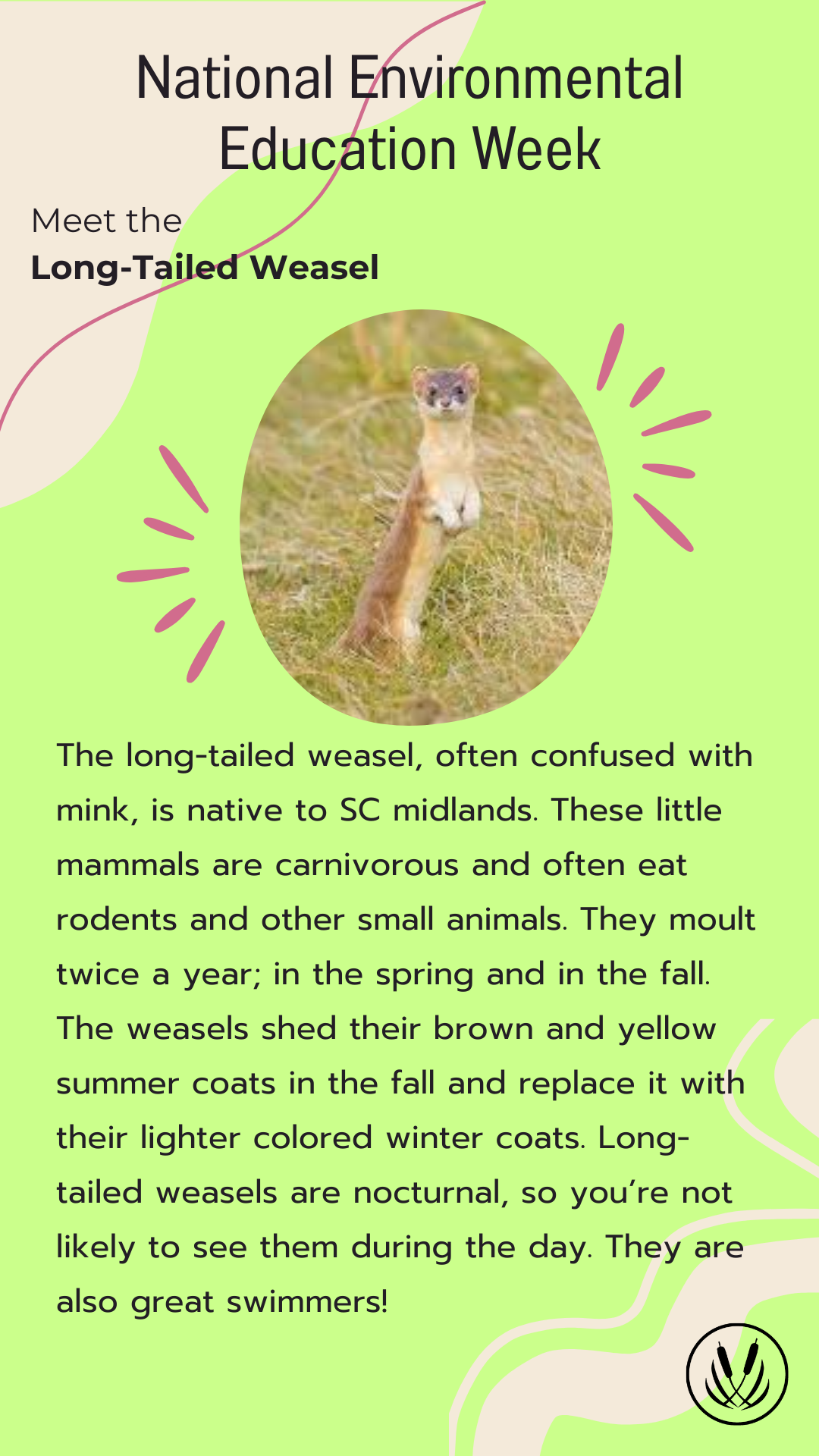
The COWASEE Basin is the name given to where the COngaree and WAteree Rivers converge with the SantEE. It is home to numerous plants and animals, which decorate the Midlands in biotic wonder. In the winter months, much of the basin’s nocturnal wildlife fall into hibernation, causing the frigid nights to be equally as quiet. Despite the extra long nights, most nocturnal animals are less active during the wintertime so they can conserve their energy. Food becomes less available as the temperature drops, causing wildlife to slow down and rest. With the spring equinox right around the corner, the days will begin to lengthen and the critters will emerge. Night life in the COWASEE Basin will become active again as nights start to get warmer. Though you may not see them, there are a wide variety of night-time creatures residing nearby. Here is what you should know about some nocturnal species in the area!
Geo-engineering: The lesser of two evils?
To change the climate intentionally or not to change the climate intentionally; that is the question. Geoengineering is the human manipulation of earth’s natural processes in an attempt to reverse the effects of global warming. The other option to deal with climate change in this scenario is carbon removal, which is the extraction of carbon dioxide from the atmosphere and being stored away. The argument of whether geoengineering is the “lesser of two evils” has been a prominent discussion amongst philosophers, environmentalists, and politicians since the early 2000s. Individual companies such as Making Sunsets, have taken it upon themselves to cool the earth, but attempts like these could leave the earth and its inhabitants in a worse state than before. Ethicists including Christopher J. Preston, Stephen Gardiner, and David Keith have expressed their concerns with the implementation of climate engineering, yet none were able to overcome the presumptive argument against geoengineering. While it may eventually be our only option for cooling the earth, geoengineering is not currently justifiable seeing that there are other options we should implement first including changing human habits to ensure positive environmental progress, funding current forms of sustainable energy to cut down carbon emissions, and the process of carbon removal.
Articles Written for The Daily Gamecock
Apartment complex residents share concerns about safety, maintenance
Carolina Cafe to lose nearby street parking, worrying restaurant owner
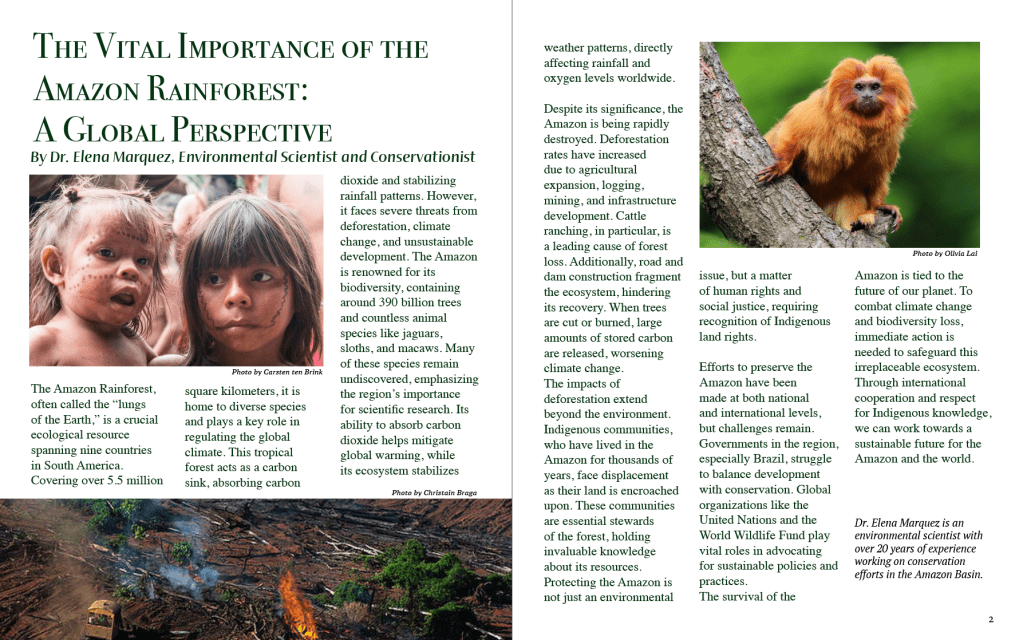
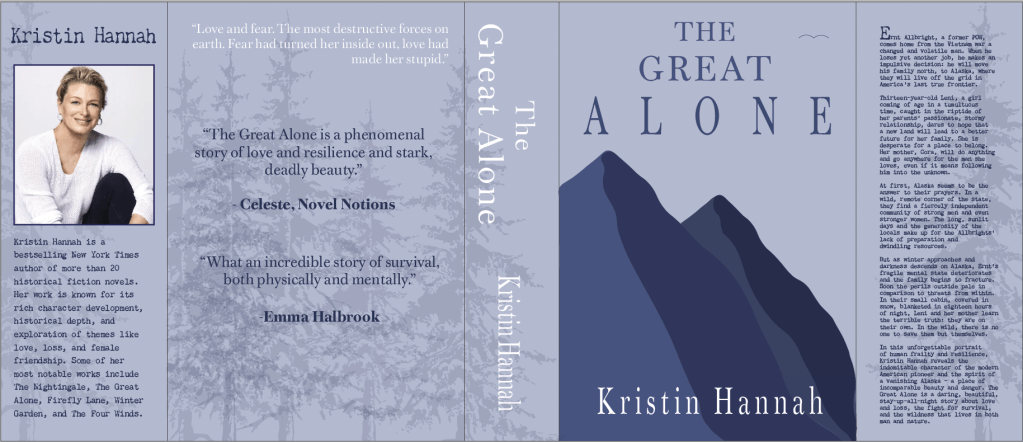
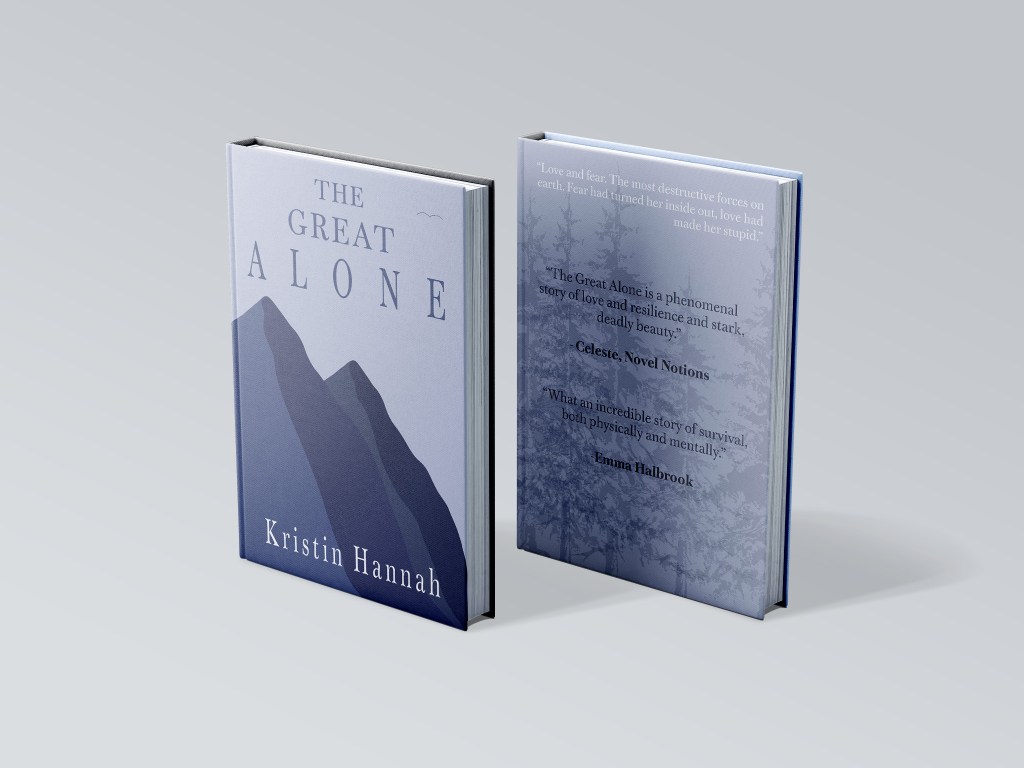
Adobe Creations

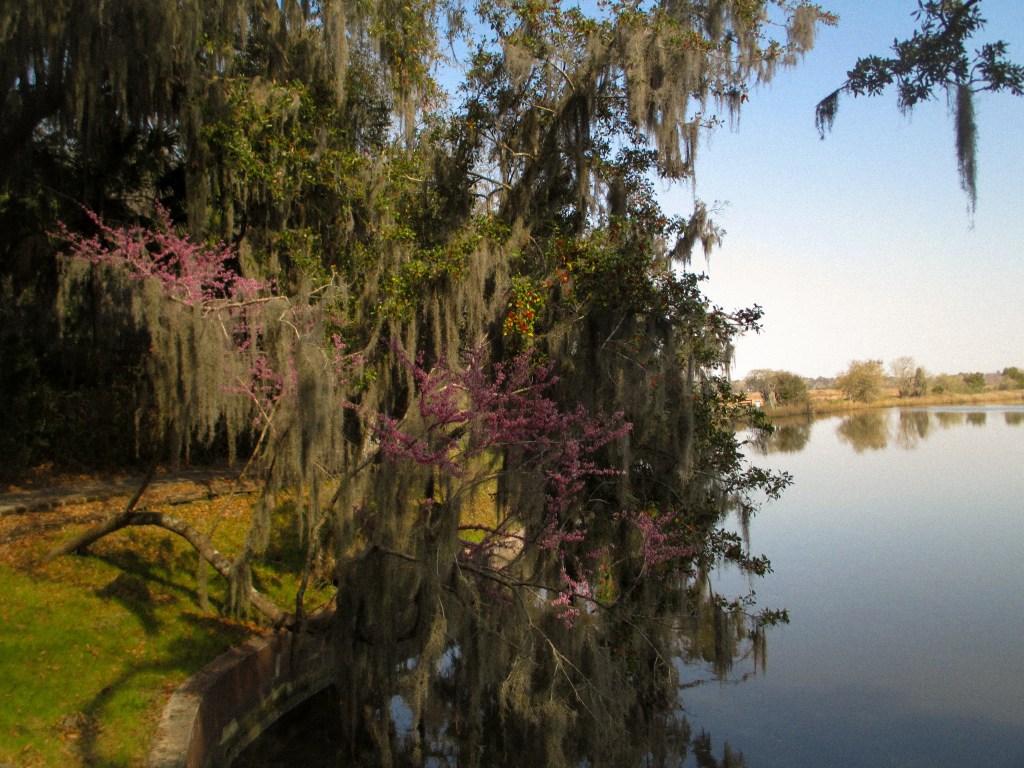
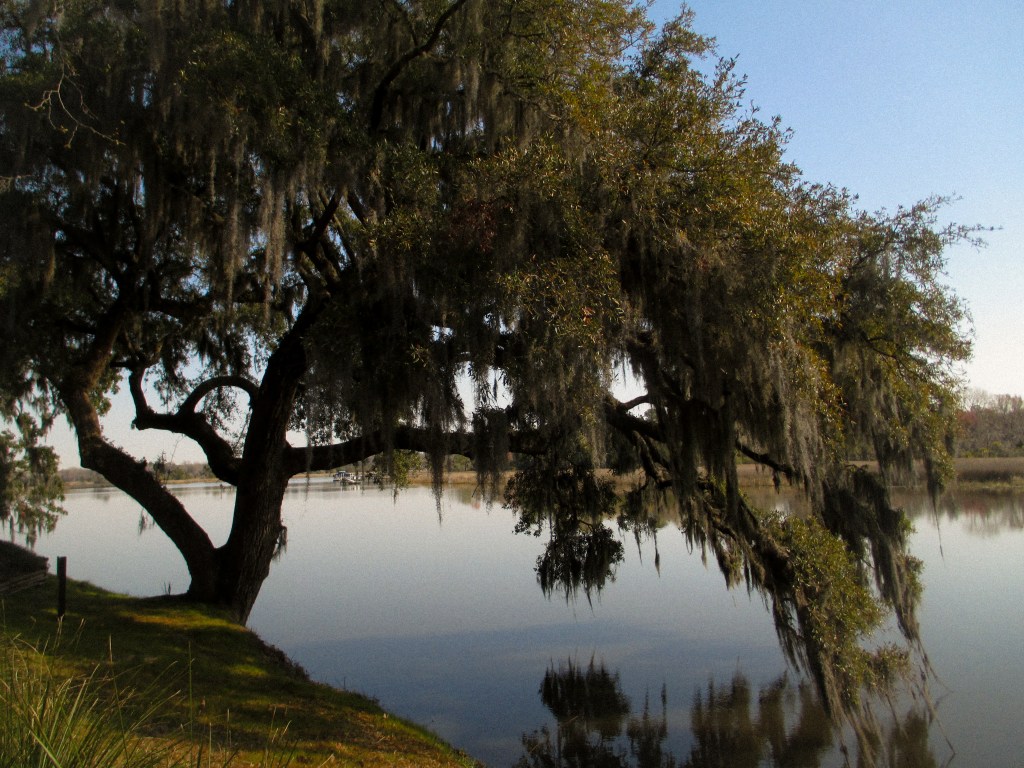
Photography
Social Media
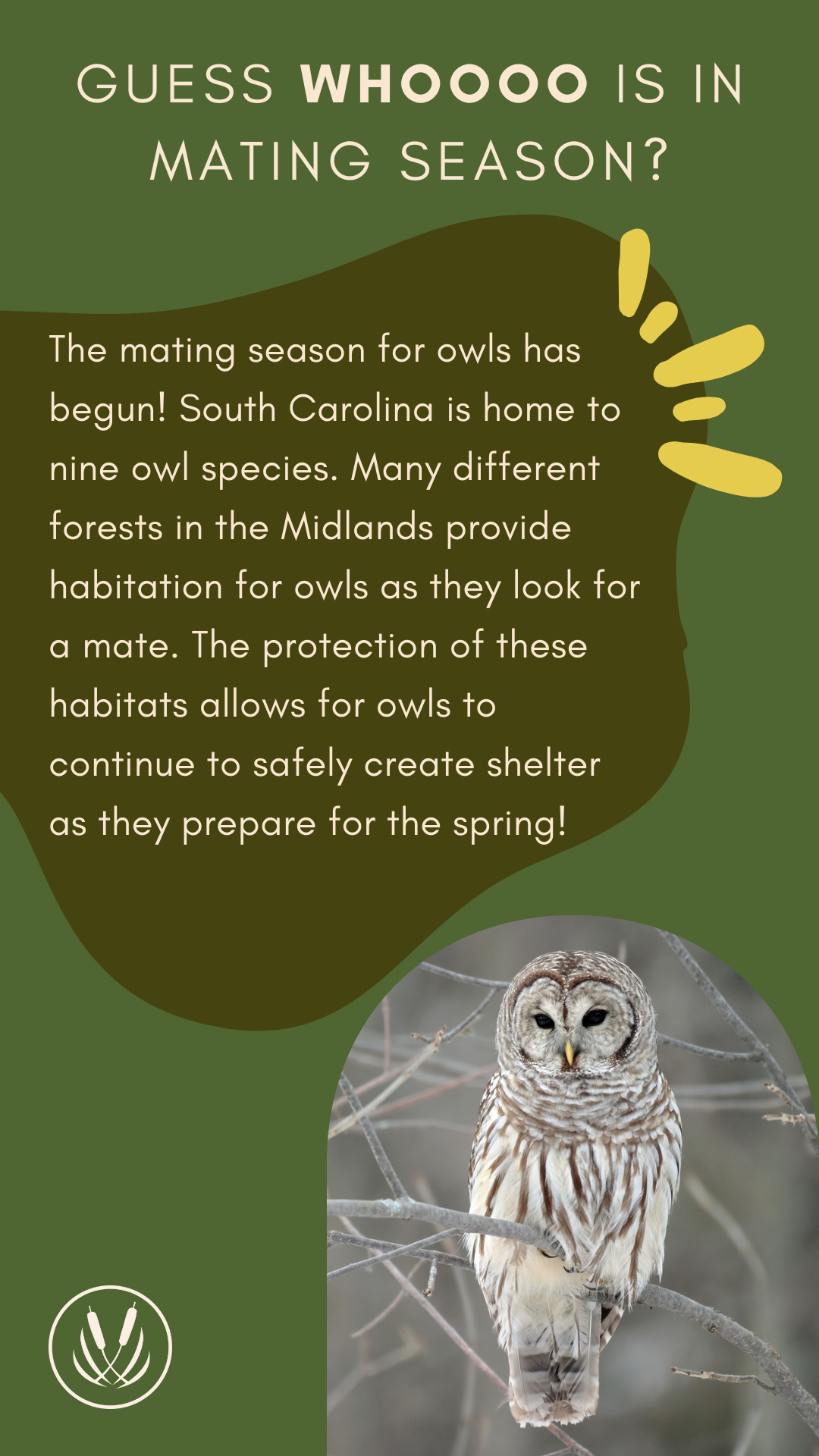
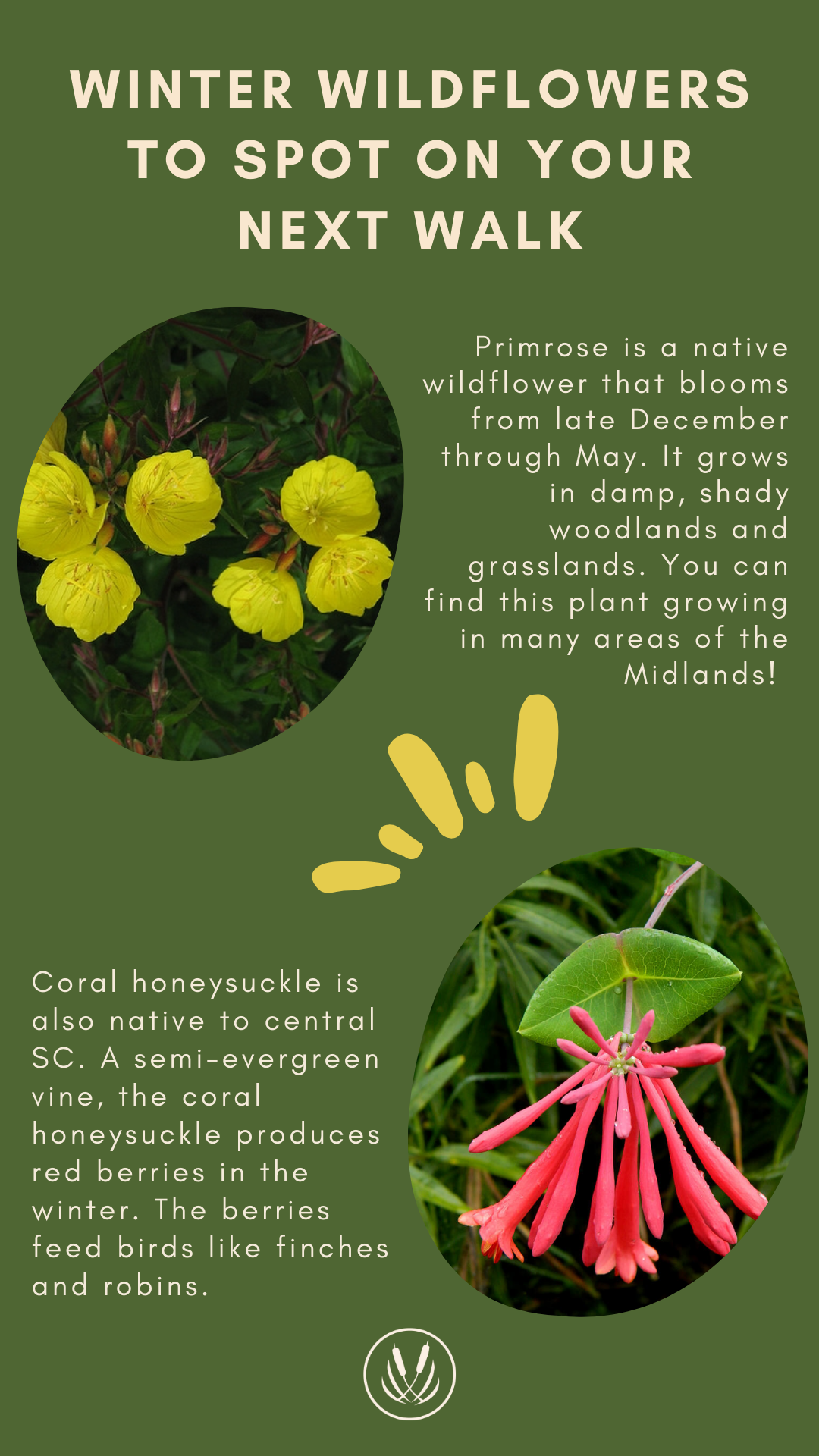
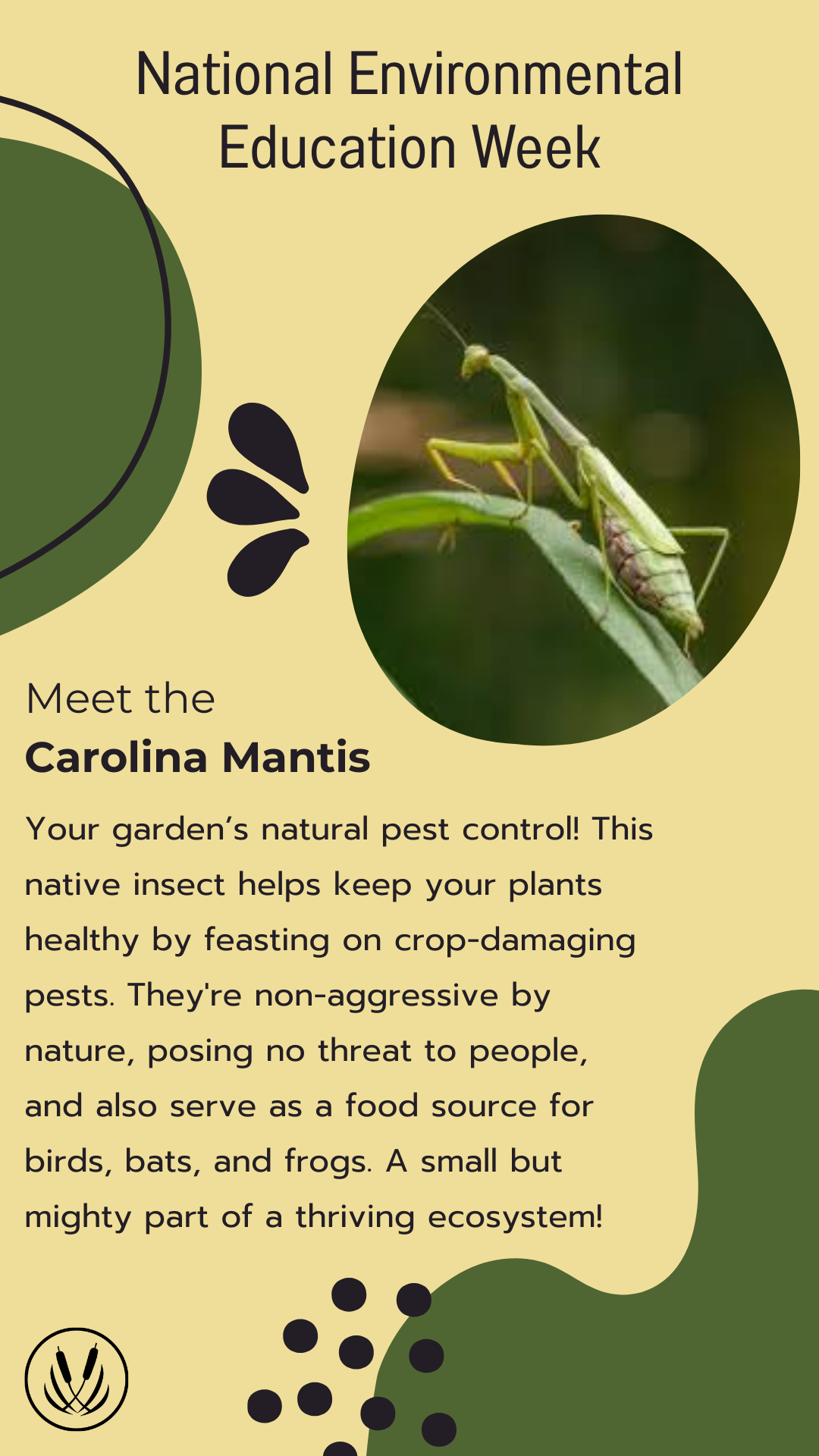
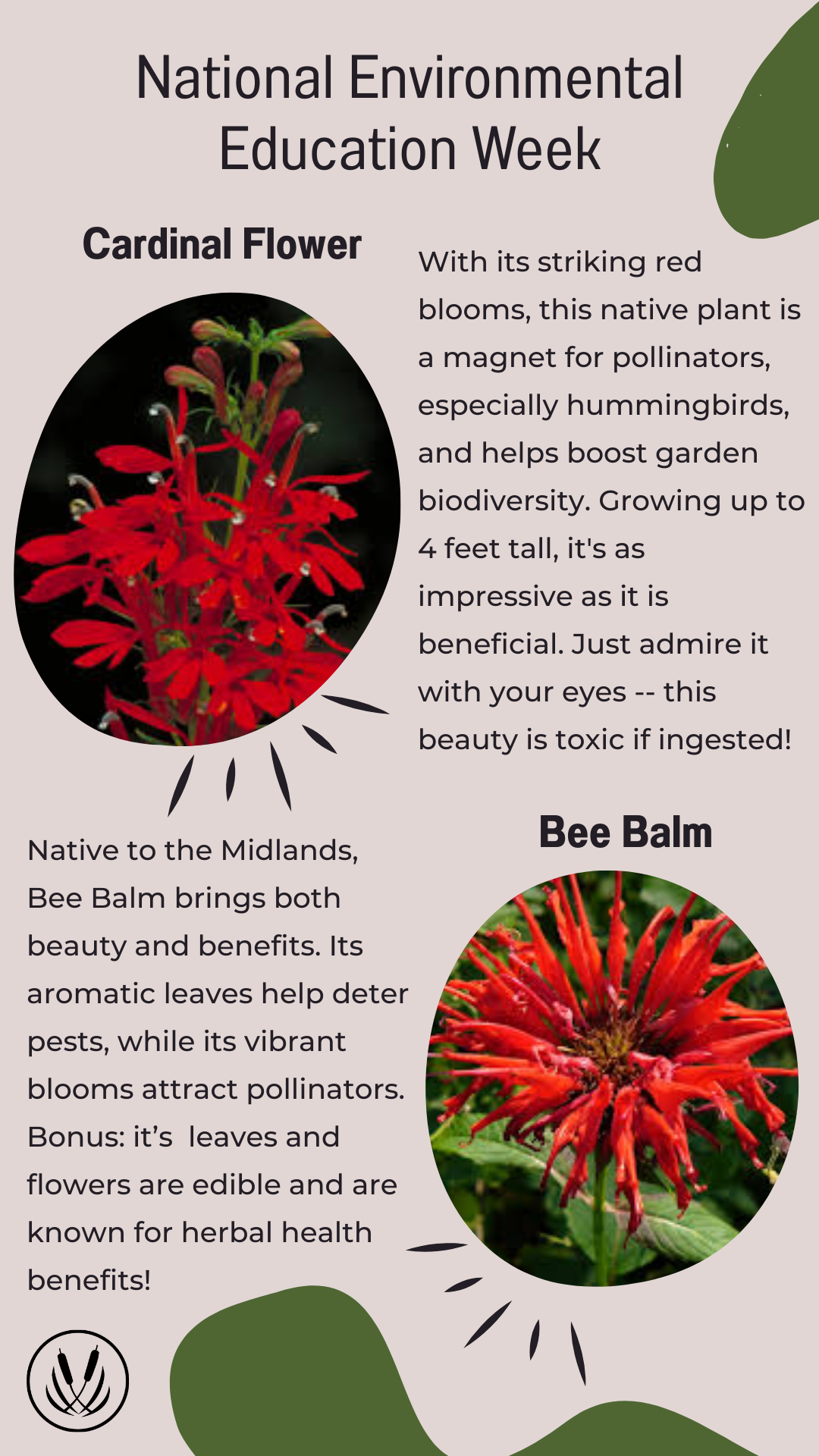
Posts created for Congaree Land Trust’s social media sites.
I think having land and not ruining it is the most beautiful art that anybody could ever want to own.
Andy Warhol